15 mins read

10 Foods to Avoid with Fatty Liver Disease (And What to Eat Instead)

✅ Reviewed for Accuracy — March 2026 Content reflects current evidence from peer-reviewed nutrition and hepatology research. Always consult your doctor or dietitian before making major dietary changes.

If you’ve been diagnosed with nonalcoholic fatty liver disease (NAFLD) — or you’re trying to prevent it — what you remove from your diet matters just as much as what you add.

The liver is remarkably resilient. But it’s also the organ that processes everything you eat. Certain foods overload it with fat, fructose, and inflammation-triggering compounds that directly accelerate liver damage. The encouraging news: cutting these foods out — or significantly reducing them — is one of the fastest ways to see measurable improvement in liver health markers.

Here are the 10 foods most strongly linked to fatty liver disease progression, backed by current research, along with practical swaps you can make starting today.

⚠️ Key Warning Signs Your Diet Is Hurting Your Liver

  • Elevated ALT or AST on blood tests
  • Persistent fatigue or upper-right abdominal discomfort
  • Difficulty losing weight despite caloric restriction
  • High triglycerides or blood sugar alongside liver findings
If you recognize these signs, dietary changes — particularly avoiding the foods below — should be an immediate priority alongside medical care.

1Sugary Beverages — Soda, Juice, Energy Drinks

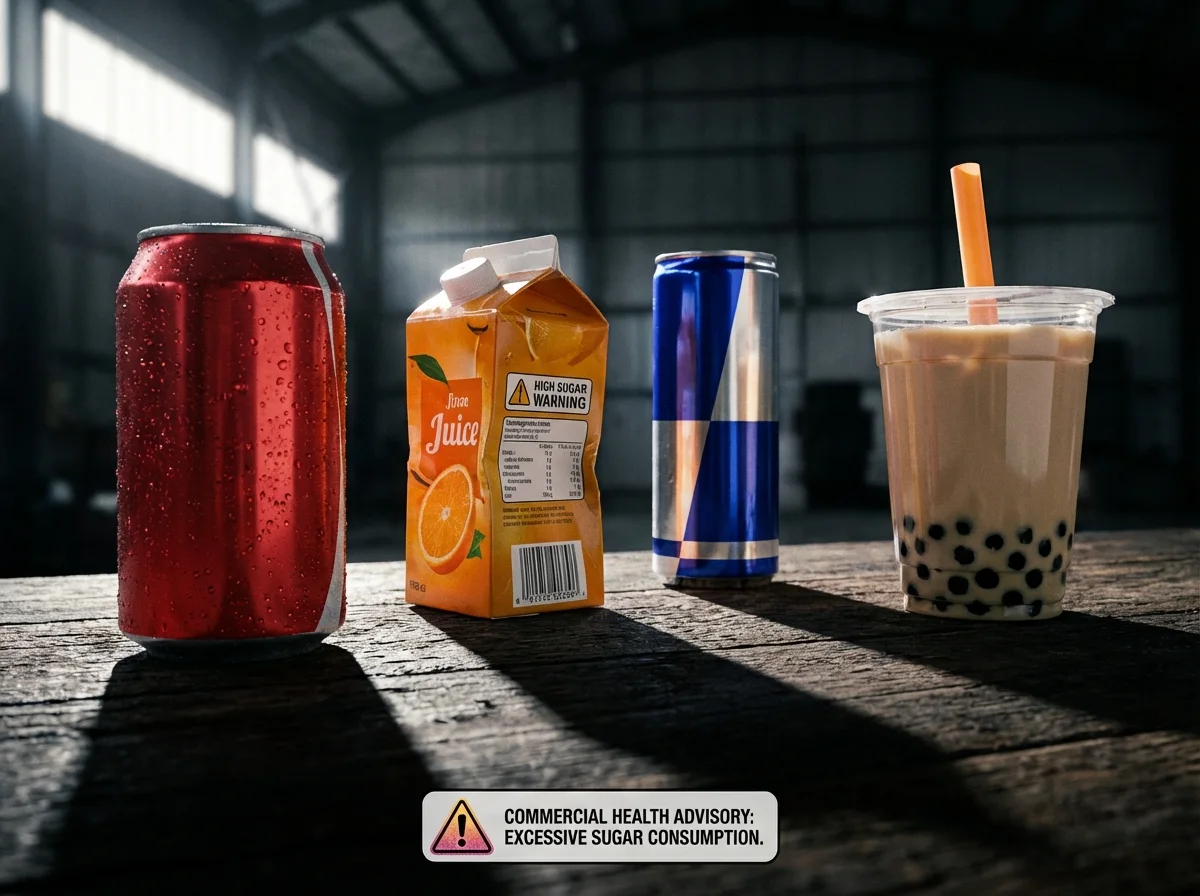
If there is one single category to eliminate first, it’s liquid sugar. Sugary drinks are the most direct dietary driver of fatty liver disease — and the evidence is overwhelming.

Why it’s harmful: Most sugary drinks are loaded with fructose — either as sucrose (table sugar) or high-fructose corn syrup (HFCS). Unlike glucose, fructose is metabolized almost exclusively in the liver, where it is converted directly into triglycerides (liver fat) through a process called de novo lipogenesis. A single large soda can contain 40–50g of sugar, most of which ends up being processed by your liver. Regular consumption creates a constant fat-production signal.

A major study found that people who drink one or more sugary beverages per day have a significantly higher risk of NAFLD diagnosis compared to non-drinkers — independent of total caloric intake or BMI.

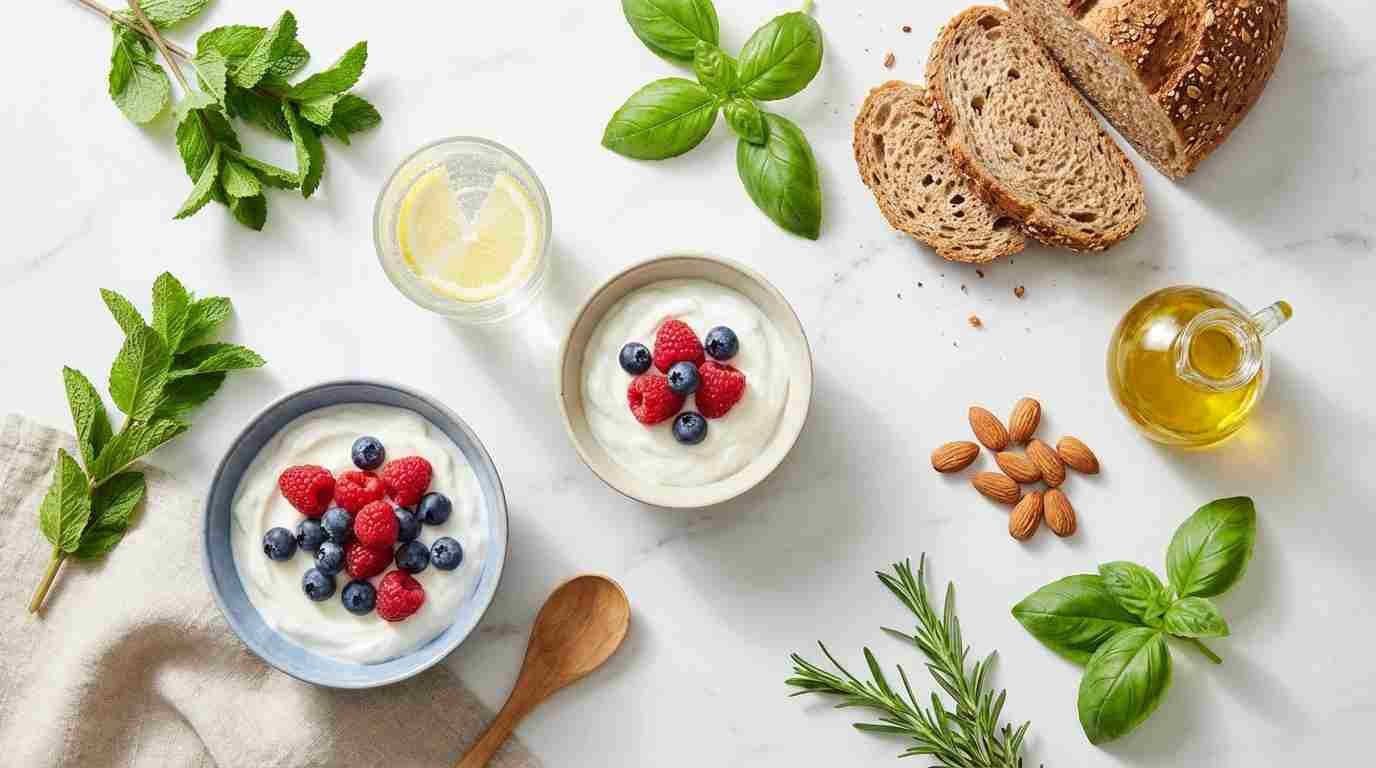
✅ Swap for: Sparkling water with a slice of lemon or cucumber. Unsweetened green tea or black coffee. Infused water (mint + lime). These provide hydration without the fructose load — and black coffee in particular is associated with lower rates of NAFLD progression.

2White Bread, White Rice & Refined Carbohydrates

Refined carbohydrates are essentially sugar in disguise. They’re digested rapidly, causing sharp spikes in blood glucose — which triggers an insulin surge — which tells the liver to produce and store more fat.

Why it’s harmful: Refined grains have had their fiber and bran removed, leaving only rapidly digestible starch. The resulting blood sugar spikes drive chronically elevated insulin levels, which promotes hepatic lipogenesis (liver fat production) and worsens insulin resistance — itself one of the core drivers of NAFLD. Research consistently shows that diets high in refined carbohydrates are associated with greater liver fat accumulation, even at similar total calorie intakes compared to higher-fiber diets.

✅ Swap for: Oats, quinoa, barley, brown rice, whole-grain bread. These digest slowly, produce gentler insulin responses, and their fiber feeds beneficial gut bacteria — which is increasingly recognized as important for liver health via the gut-liver axis.

3Alcohol — Even in Moderate Amounts

This one surprises many people: even though NAFLD is technically the non-alcoholic form of fatty liver disease, drinking alcohol when you already have NAFLD is strongly discouraged by hepatologists.

Why it’s harmful: Alcohol is directly hepatotoxic — it generates reactive oxygen species (free radicals) that damage liver cells, increases liver inflammation, and worsens oxidative stress in tissue that’s already under strain. Even moderate alcohol consumption in NAFLD patients is associated with accelerated fibrosis progression and an increased risk of liver cancer. The liver cannot effectively detoxify alcohol when it’s already burdened with metabolic fat overload.

Most liver specialists recommend complete alcohol abstinence for patients with confirmed NAFLD, particularly those with any degree of NASH or fibrosis.

✅ Swap for: Kombucha (low-sugar varieties), sparkling water with bitters, non-alcoholic botanical spirits, or simply water with fresh herbs. If social drinking feels like a challenge, having a prepared go-to non-alcoholic drink can make the transition much easier.

4Ultra-Processed Foods (UPFs)

Packaged snacks, frozen meals, fast food, flavored chips, instant noodles — ultra-processed foods are one of the fastest-growing dietary risk factors for NAFLD, and recent research has put a precise number on the risk.

Why it’s harmful: A 2025 study published in Nutrients found that higher ultra-processed food consumption was significantly associated with elevated MASLD risk in older adults. UPFs are typically dense in refined carbohydrates, added sugars, industrial seed oils, artificial additives, and salt — all of which contribute to metabolic dysfunction and liver fat. They also tend to displace whole foods, meaning the liver loses out on the protective fiber, antioxidants, and polyphenols it needs to function well.

✅ Swap for: Whole foods prepared at home. If convenience is key: plain nuts, boiled eggs, Greek yogurt, fruit with nut butter, or hummus with vegetable sticks all provide nutrition without the UPF burden.

5Fried Foods and Fast Food

French fries, fried chicken, donuts, and most fast food items represent a triple threat to liver health: they’re high in total calories, high in saturated or trans fats, and typically high in refined carbohydrates — all at once.

Why it’s harmful: The fats used in commercial frying — particularly partially hydrogenated vegetable oils — contain trans fats that directly deposit in liver tissue and promote inflammation. Frequent fried food consumption is consistently associated with elevated liver enzymes, greater visceral fat, and NAFLD diagnosis in observational studies. The caloric density also makes portion control extremely difficult, accelerating weight gain that compounds liver fat accumulation.

✅ Swap for: Oven-baked versions using extra virgin olive oil. Air-frying with minimal oil. Grilled proteins with roasted vegetables. The goal isn’t avoiding all fat — it’s choosing the type of fat your liver actually benefits from.

6Red Meat and Processed Meats

Bacon, sausage, deli meats, and large portions of red meat are a significant source of saturated fat and heme iron — both of which are problematic for fatty liver disease.

Why it’s harmful: Saturated fat from red meat directly contributes to hepatic fat accumulation. Additionally, heme iron — found only in animal meat — generates reactive oxygen species in the liver, increasing oxidative stress. Processed meats like bacon and hot dogs also contain nitrates and high sodium levels that are associated with metabolic dysfunction. Research links high red meat intake with elevated liver enzyme levels and greater NAFLD severity.

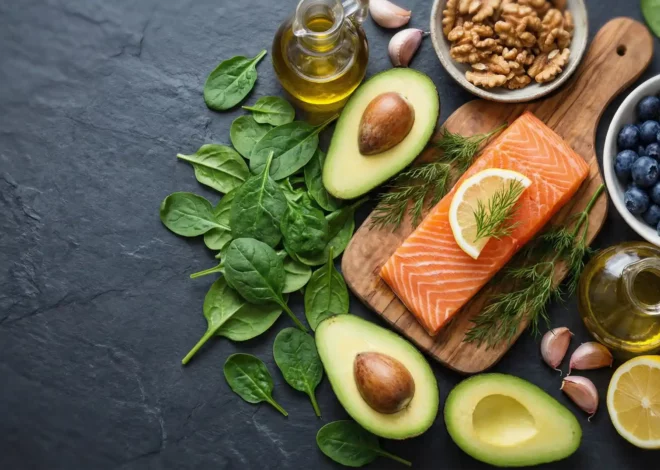
✅ Swap for: Fatty fish (salmon, sardines, mackerel) 2–3x/week. Skinless chicken or turkey breast. Plant proteins: lentils, chickpeas, tofu, tempeh. These provide protein without the saturated fat and heme iron burden.

7Added Sugar in All Forms — Not Just Obvious Sources

Most people know to avoid candy and soda. But added sugar hides in dozens of foods that seem healthy — flavored yogurt, bottled smoothies, granola bars, pasta sauce, salad dressings, and “low-fat” products (which often replace fat with sugar).

Why it’s harmful: Added sugars, particularly those containing fructose, are processed by the liver and converted to triglycerides. They also drive insulin resistance, which is both a consequence and a cause of NAFLD progression — creating a vicious cycle. Even moderate daily intake of added sugar has been linked to increased hepatic fat in controlled feeding studies.

Hidden sugar sources to watch: flavored yogurt (up to 20g sugar per serving), bottled smoothies, granola, breakfast cereals, ketchup, teriyaki sauce, flavored oatmeal packets, and sweetened nut butters.

✅ Swap for: Plain Greek yogurt with fresh fruit. Homemade sauces using whole ingredients. Oats sweetened with cinnamon or half a banana. Reading labels and targeting less than 25g of added sugar daily (WHO recommendation) is a practical starting point.

8Saturated Fat — Especially from Butter and Full-Fat Dairy

Not all fats are equal for the liver. Saturated fats — primarily from butter, cream, cheese, and fatty cuts of meat — directly contribute to liver fat accumulation in a way that unsaturated fats do not.

Why it’s harmful: Saturated fatty acids, particularly palmitic acid (found in palm oil, butter, and meat), activate inflammatory pathways in liver cells (hepatocytes) and are directly associated with lipotoxicity — cell damage caused by excess fat. Multiple studies comparing high-saturated-fat diets to high-unsaturated-fat diets of equal calories show greater liver fat accumulation in the saturated fat group. The Mediterranean diet’s liver benefits are partly attributed to its replacement of saturated fats with olive oil and fish-derived omega-3s.

✅ Swap for: Extra virgin olive oil as your primary cooking fat. Avocado and avocado oil. Small amounts of low-fat dairy if needed. The goal is replacing saturated fat with monounsaturated and polyunsaturated fats — not eliminating all fat.

9High-Sodium Foods and Processed Snacks

While sodium doesn’t directly cause fatty liver, high-sodium diets are strongly correlated with it — and for important reasons that go beyond simple fluid retention.

Why it’s harmful: High sodium intake is associated with insulin resistance, visceral fat accumulation, and metabolic syndrome — all of which worsen NAFLD. High-sodium processed snacks (chips, crackers, canned soups, instant noodles) are also typically ultra-processed foods, compounding their negative effect. Elevated sodium intake also drives fluid retention that can mask true body composition, making it harder to assess and track liver health improvement.

✅ Swap for: Unsalted nuts, fresh vegetable sticks, homemade popcorn lightly seasoned with herbs (not salt), edamame. When buying packaged foods, aim for less than 600mg sodium per serving.

10Excessive Fructose from “Healthy” Sources — Fruit Juice and Agave

This one catches people off guard. Fruit juice — even 100% natural, no-added-sugar orange juice — and sweeteners like agave syrup are extremely high in fructose and can overload the liver just like regular soda.

Why it’s harmful: A glass of orange juice contains roughly the same amount of fructose as a glass of soda — without the fiber of whole fruit to slow absorption. Agave syrup, marketed as a “natural” sugar alternative, is actually 70–90% fructose — far higher than regular sugar or HFCS. Both deliver a concentrated fructose hit directly to the liver, accelerating de novo lipogenesis. Whole fruit is generally fine in moderation (the fiber significantly slows fructose absorption), but liquid forms of fruit sugar bypass this protective mechanism entirely.

✅ Swap for: Whole fruit (berries, apples, citrus) — the fiber matrix changes how fructose is absorbed. Use a small amount of raw honey, maple syrup, or ripe banana to sweeten recipes if needed. These are still sugar, but far preferable to agave or juice at scale.

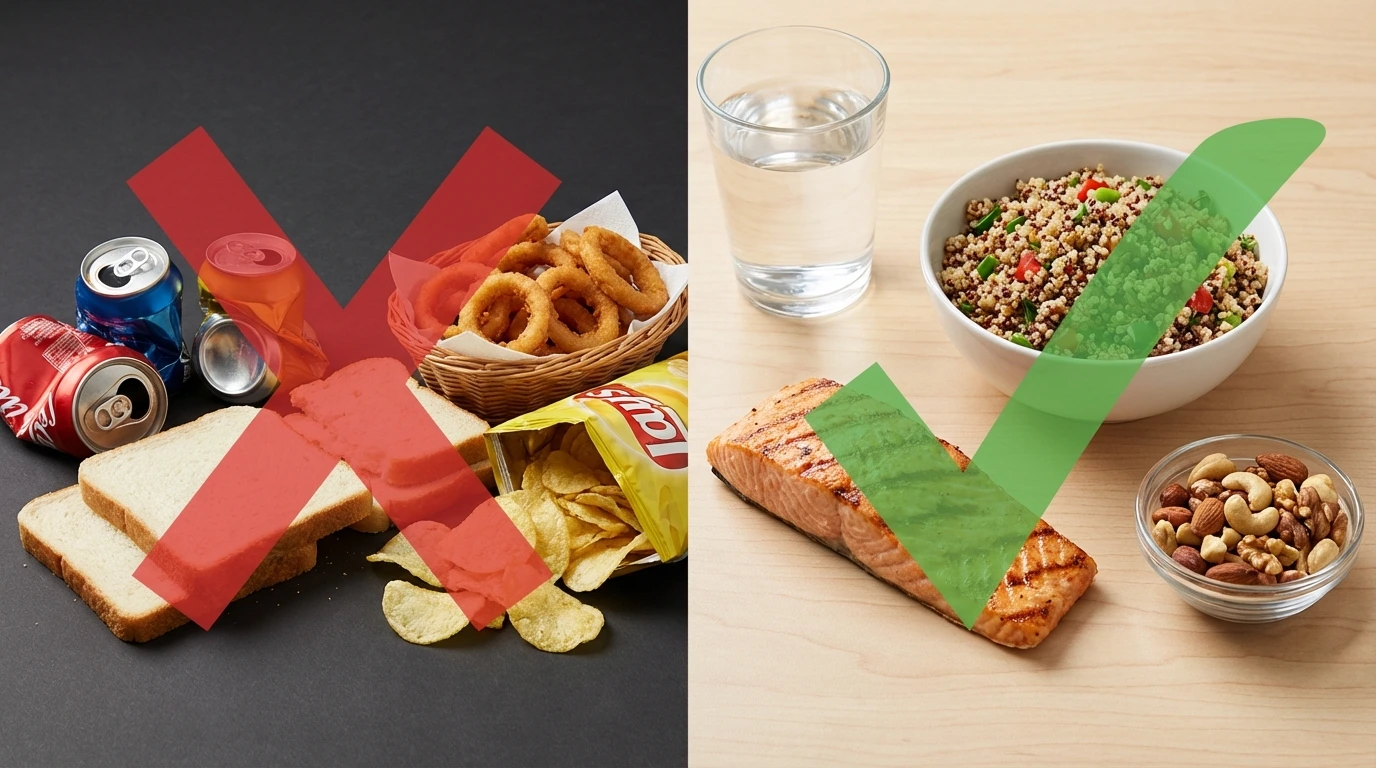
Quick Reference: Avoid vs. Choose

❌ Avoid / Limit✅ Choose Instead
Soda, juice, energy drinksWater, green tea, black coffee
White bread, white riceOats, quinoa, whole-grain bread
AlcoholNon-alcoholic botanicals, kombucha
Ultra-processed snacksNuts, eggs, hummus + veg
Fried food, fast foodOven-baked, grilled, air-fried
Bacon, sausage, deli meatsSalmon, sardines, lentils, tofu
Flavored yogurt, granola barsPlain Greek yogurt + fresh fruit
Butter, cream, full-fat cheeseOlive oil, avocado
Chips, instant noodlesUnsalted nuts, edamame
Fruit juice, agave syrupWhole fruit (berries, citrus)

💡 Practical Starting Point: Don’t try to eliminate all 10 at once. Research on behavior change shows that gradual substitution is more sustainable than strict elimination. Start with the top 3 highest-impact changes: cut sugary beverages, replace refined carbs with whole grains, and remove ultra-processed snacks. After 2–3 weeks, add the next layer.

Frequently Asked Questions

How quickly do liver enzymes improve after cutting these foods?

Many people see measurable improvement in ALT and AST levels within 4–8 weeks of consistent dietary changes combined with moderate weight loss. Liver imaging changes (fat reduction visible on ultrasound) typically take 3–6 months to appear. Blood markers often improve faster than imaging reflects.

Is fruit bad for fatty liver because of fructose?

Whole fruit in moderate amounts is generally not a concern for NAFLD patients. The fiber in whole fruit significantly slows fructose absorption and blunts its effect on the liver. The problem is concentrated liquid fructose — juice, agave, syrups — where the fiber is absent. Aim for 2 servings of low-sugar whole fruit per day (berries, apples, citrus) and avoid fruit juice entirely.

Can I eat eggs with fatty liver?

Yes — eggs are generally considered acceptable and even beneficial for most NAFLD patients. They are a good source of choline, a nutrient that supports liver fat metabolism and is often deficient in people with NAFLD. Eggs also provide high-quality protein. The concern about eggs and cholesterol has been significantly revised in recent years; for most people, moderate egg consumption (1–2 per day) does not negatively impact liver health.

What about coconut oil — is it good or bad for fatty liver?

Coconut oil is very high in saturated fat (around 90%), and despite its popularity as a “healthy” fat, current evidence does not support its use for NAFLD patients. Its high saturated fat content may contribute to liver fat accumulation. Extra virgin olive oil is the evidence-backed alternative for cooking fat in liver disease management.

Ready for the Full Fatty Liver Recovery Plan?

This article covers what to avoid — the complete guide covers everything:

Fatty Liver Diet: Complete Guide (Pillar) — best foods, 7-day meal plan, supplements

Mediterranean Diet for NAFLD — the most evidence-backed eating pattern

Coffee and Fatty Liver: What the Research Says

References

  1. Commins I, et al. Associations between MASLD, ultra-processed food and Mediterranean dietary pattern in older adults. Nutrients. 2025. doi:10.3390/nu17091415
  2. Zelbar-Sagi S, et al. Practical Lifestyle Management of NAFLD for Busy Clinicians. Diabetes Spectrum. 2024. PMC10877216
  3. Al-Busafi SA, et al. Nutritional and Fasting Strategies for MASLD/MASH. JGH Open. 2025.
  4. Misra VL, et al. Evidence-based nutrition for NAFLD and NASH. Gastroenterology and Hepatology. PMC7641567
  5. National Institute of Diabetes and Digestive and Kidney Diseases. Eating, Diet & Nutrition for NAFLD. Updated October 2025.

Leave a Reply

Your email address will not be published. Required fields are marked *