
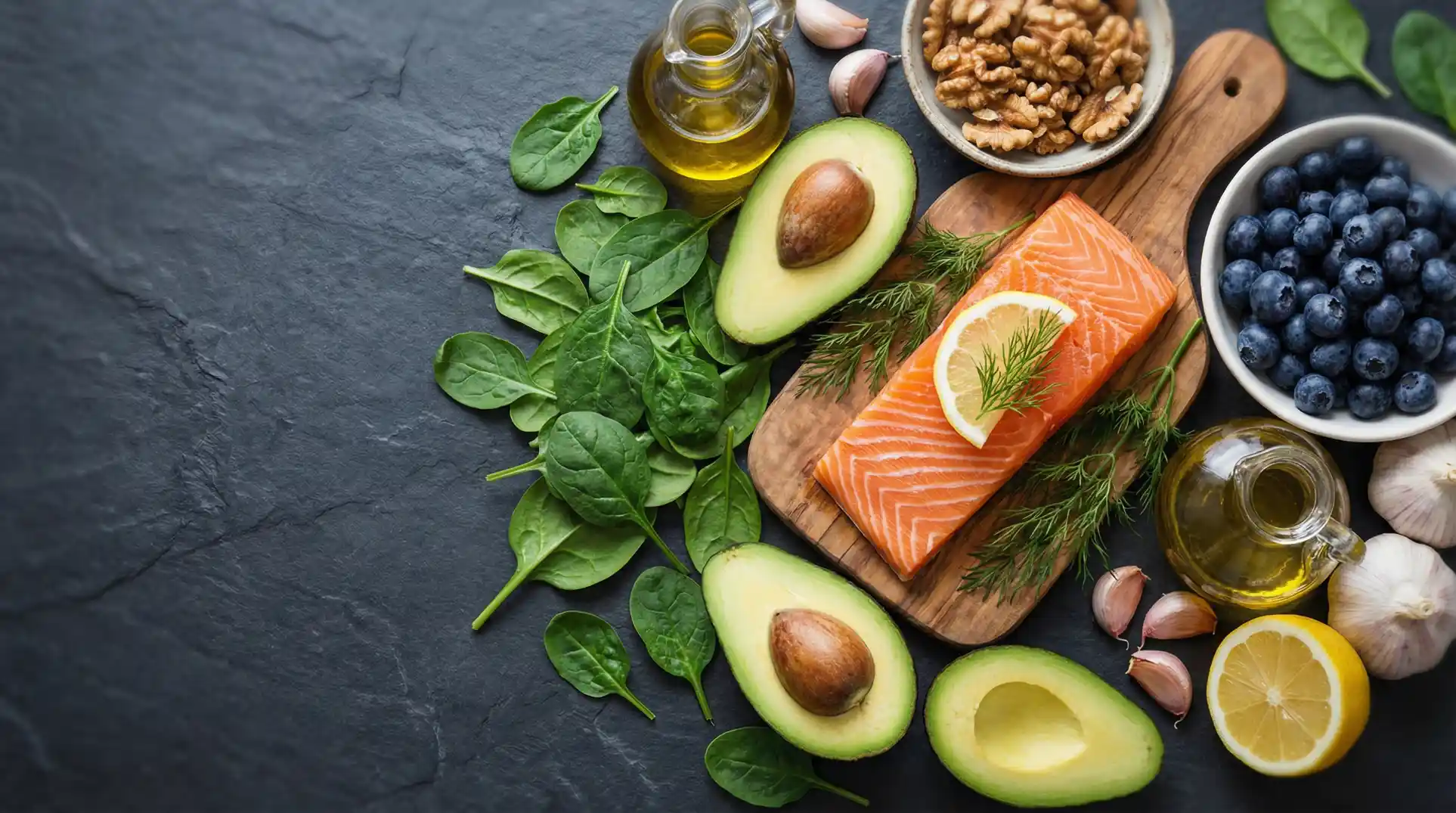
Fatty Liver Diet: The Complete Guide to Healing NAFLD Through Food
This article reflects current evidence-based nutritional research on NAFLD/MASLD management. References are cited from peer-reviewed journals and clinical guidelines. Last updated: March 2026. Always consult your doctor before making major dietary changes.
- NAFLD affects ~30% of the global population and is closely linked to obesity, insulin resistance, and metabolic syndrome
- The Mediterranean diet is the most evidence-backed dietary approach for NAFLD management
- Losing just 5–10% of body weight may significantly reduce liver fat
- Certain foods — including added sugar, saturated fats, and ultra-processed foods — actively worsen liver fat accumulation
- Lifestyle changes (diet + exercise) remain the first-line treatment recommended by all major liver disease guidelines
If your doctor has told you that you have a fatty liver — or you’re at risk — the most powerful tool available to you right now isn’t a medication. It’s your next meal.
Nonalcoholic fatty liver disease (NAFLD), now increasingly referred to as metabolic dysfunction-associated steatotic liver disease (MASLD), affects nearly 1 in 3 adults worldwide. Yet despite being the most common chronic liver condition on the planet, it has no approved drug treatment. What the research consistently shows is that the right diet — combined with lifestyle changes — can significantly reduce liver fat, lower liver enzymes, and in many cases, help reverse the disease entirely.
This guide breaks down exactly what to eat, what to avoid, a practical 7-day meal plan, and the key supplements that may support your liver health — all based on the latest clinical evidence.
What Is Fatty Liver Disease (NAFLD/MASLD)?
Fatty liver disease occurs when excess fat accumulates in liver cells — not from alcohol, but from metabolic factors. In 2023, leading liver disease organizations officially renamed NAFLD to MASLD (Metabolic dysfunction-Associated Steatotic Liver Disease), emphasizing its connection to metabolic health.
NAFLD/MASLD exists on a spectrum:
| Stage | What’s Happening | Reversible with Diet? |
|---|---|---|
| Simple Steatosis (NAFL) | Fat builds up in liver cells, minimal inflammation | ✅ Yes — often fully reversible |
| NASH (Steatohepatitis) | Fat + inflammation + some cell damage | ✅ Often yes, with sustained lifestyle changes |
| Fibrosis (Stage 1–4) | Scar tissue begins to form | ⚠️ Partially — early fibrosis may improve |
| Cirrhosis | Advanced scarring, loss of liver function | ❌ Generally not reversible |
What Causes Fat to Build Up in the Liver?
- Insulin resistance — the liver receives signals to keep producing fat even when it shouldn’t
- Excess fructose — particularly from sugary drinks and processed foods; the liver converts fructose directly to fat
- Saturated and trans fats — directly deposit into liver tissue
- Caloric surplus and obesity — especially visceral (belly) fat, which is closely linked to liver fat
- Gut microbiome imbalance — emerging research points to gut-liver axis dysregulation as a contributing factor
How Diet Affects NAFLD: The Science
Research published in Diabetes Spectrum (2024) confirms that weight loss through caloric restriction is the most evidence-based way to improve NAFLD, with the Mediterranean diet providing additional cardiometabolic benefits.
Reducing Fructose and Added Sugar
Fructose is metabolized almost exclusively in the liver, where it is converted to triglycerides via de novo lipogenesis. Studies consistently link high dietary inflammatory index (DII) scores with a 25% increased risk of NAFLD per unit increase.
Increasing Omega-3 Fatty Acids
A meta-analysis of six randomized controlled trials found that omega-3 supplementation significantly reduced liver enzymes (ALT), triglycerides, and improved body composition in NAFLD patients.
Mediterranean Diet’s Multi-Mechanism Effect
A 12-week comparison trial showed the Mediterranean diet led to greater reductions in liver fat, liver enzymes, and HbA1c than a standard low-fat diet — working through reduced oxidative stress, improved insulin sensitivity, and decreased inflammation simultaneously.
The Weight Loss Connection
According to Mayo Clinic guidance (2025), losing 5–10% of body weight can significantly improve NAFLD, and 10% weight loss is associated with resolution of steatohepatitis and potential reversal of early fibrosis.
Best Foods to Eat for Fatty Liver
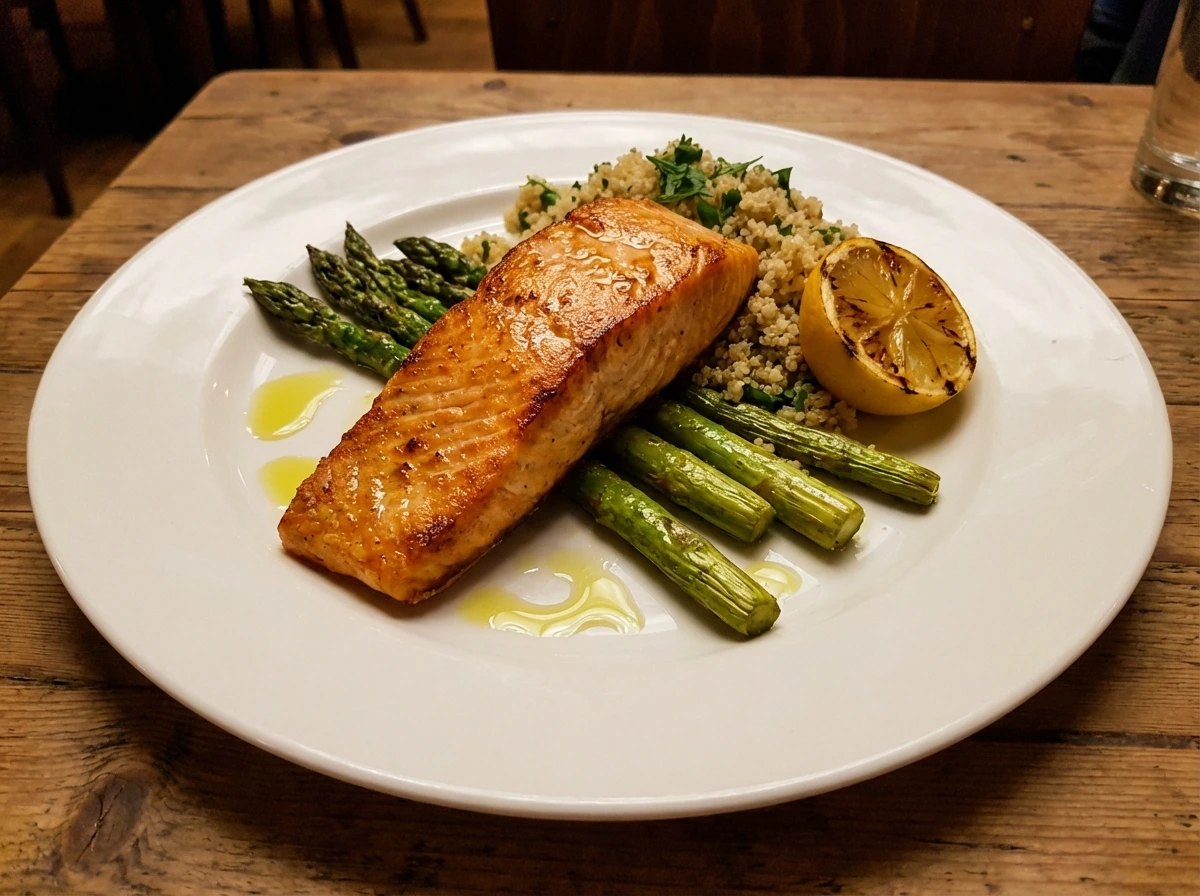
| Food | Why It Helps | How Often |
|---|---|---|
| Fatty fish (salmon, sardines, mackerel) | Rich in omega-3s; reduces liver triglycerides and inflammation | 2–3x/week |
| Leafy greens (spinach, kale, arugula) | Nitrates and polyphenols associated with lower NAFLD risk | Daily |
| Extra virgin olive oil | Oleocanthal reduces liver inflammation; improves insulin sensitivity | 2–3 tbsp/day |
| Walnuts and almonds | Omega-3s and polyphenols; inversely linked to NAFLD risk | 30g daily |
| Coffee (black) | Associated with lower NAFLD risk and reduced fibrosis progression | 2–3 cups/day |
| Legumes (lentils, chickpeas, black beans) | Resistant starch improves gut health; may lower blood glucose | 4–5x/week |
| Whole grains (oats, quinoa, barley) | Low GI; fiber reduces insulin spikes that drive liver fat production | Daily |
| Berries (blueberries, strawberries) | Anthocyanins reduce oxidative stress in liver tissue | 1 cup daily |
| Avocado | Monounsaturated fat + fiber; supports healthy lipid metabolism | ½–1 daily |
| Green tea | EGCG catechins may reduce liver fat accumulation and inflammation | 2–3 cups/day |
| Garlic | Regular intake associated with lower NAFLD diagnosis rates | 1–2 cloves/day |
| Tofu and tempeh | Soy protein may lower triglycerides and protect against visceral fat | 3–4x/week |
Foods to Avoid (or Significantly Reduce)
| Food / Ingredient | Why It’s Harmful | Common Sources |
|---|---|---|
| Sugary beverages | High fructose → directly to liver fat production | Soda, juice, energy drinks |
| Added sugar and HFCS | Drives de novo lipogenesis (liver fat production) | Candy, pastries, flavored yogurt |
| Refined carbohydrates | Blood sugar spike → insulin surge → liver fat accumulation | White bread, white rice, crackers |
| Saturated fats | Directly deposits in liver tissue; promotes inflammation | Fatty red meat, butter, full-fat dairy |
| Trans fats | Strongly associated with inflammation and liver damage | Margarine, fried fast food, packaged baked goods |
| Ultra-processed foods | 2025 Nutrients study links UPF with significantly elevated MASLD risk | Chips, frozen meals, instant noodles |
| Red and processed meats | Saturated fat + heme iron → oxidative stress in liver | Bacon, sausage, deli meats |
| Alcohol | Even moderate alcohol may accelerate liver damage in NAFLD | Beer, wine, spirits |
| Fried foods | High in trans/saturated fats; caloric density promotes liver fat | Fries, fried chicken, tempura |
7-Day Fatty Liver Meal Plan
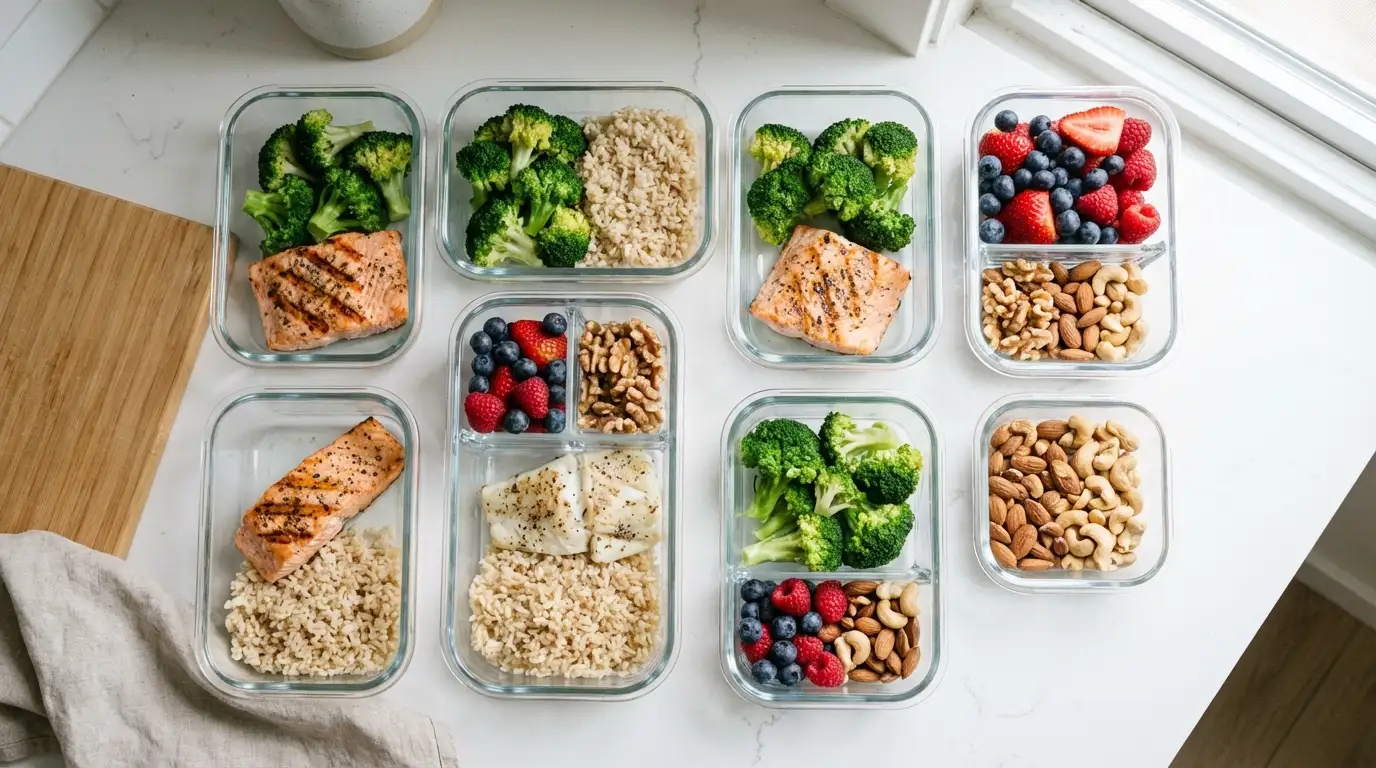
This plan follows Mediterranean diet principles — approximately 1,600–1,900 kcal/day for moderate weight loss. Adjust portion sizes to your individual needs.
Breakfast: Overnight oats with blueberries, walnuts, and a drizzle of honey
Lunch: Large spinach salad with canned sardines, cherry tomatoes, olive oil + lemon dressing
Dinner: Baked salmon with roasted asparagus, quinoa, and a side of hummus
Snack: Small apple + 10 almonds | Black coffee or green tea
Breakfast: 2-egg vegetable omelette with spinach, tomatoes, whole-grain toast
Lunch: Lentil soup with whole-grain bread and mixed greens
Dinner: Stir-fried tofu with broccoli, snap peas, garlic, ginger, olive oil — over barley
Snack: Plain low-fat Greek yogurt with berries
Breakfast: Smoothie: spinach, frozen berries, flaxseed, unsweetened almond milk, ½ banana
Lunch: Chickpea and roasted vegetable wrap in whole-grain tortilla with tahini
Dinner: Grilled mackerel with steamed kale, sweet potato, olive oil drizzle
Snack: Celery sticks with almond butter | Green tea
Breakfast: Oatmeal with sliced almonds, cinnamon, and fresh strawberries
Lunch: Tuna and avocado salad on whole-grain bread with cucumber
Dinner: Black bean tacos with corn tortillas, salsa, cabbage, guacamole
Snack: Handful of walnuts + a small orange
Breakfast: 2 poached eggs on whole-grain toast with avocado and black coffee
Lunch: Greek salad with feta, olives, cucumber, tomato, and grilled chicken
Dinner: Baked cod with garlic, lemon, olive oil, roasted cherry tomatoes, brown rice
Snack: Plain yogurt with chia seeds and blueberries
Breakfast: Whole-grain pancakes topped with fresh berries and Greek yogurt (no syrup)
Lunch: Minestrone soup with whole-grain bread and side salad
Dinner: Grilled shrimp skewers with roasted zucchini, bell peppers, quinoa tabbouleh
Snack: Edamame (½ cup) lightly salted
Breakfast: Chia seed pudding with unsweetened almond milk, topped with kiwi and mango
Lunch: Salmon and avocado brown rice bowl with edamame, shredded carrots, sesame seeds
Dinner: Baked skinless chicken thigh with roasted root vegetables, steamed broccoli
Snack: Mixed nuts (30g) and green tea
Supplements That May Support Liver Health
While food should always be the foundation, several supplements have emerging evidence for NAFLD support. Always discuss with your doctor before starting any supplement.
🐟 Omega-3 (Fish Oil)
Meta-analysis of 6 RCTs found significant reduction in ALT, triglycerides, and body composition improvement. Look for at least 2g EPA+DHA daily.
☀️ Vitamin E
Some clinical trials show benefit for NASH. NIH research suggests it may reduce liver inflammation. Typical dose: 800 IU/day — consult your doctor first, high doses carry risk.
🌿 Milk Thistle (Silymarin)
One of the most studied liver supplements. Silymarin has antioxidant and anti-inflammatory properties. Evidence is promising but still being established in large-scale trials.
🧬 Berberine
This plant compound may improve insulin sensitivity and reduce liver fat. Several small trials show improvements in liver enzymes and metabolic markers.
🦠 Probiotics
Given the gut-liver axis connection in NAFLD, probiotics show promise. Some studies report reductions in liver enzymes and inflammatory markers.
☕ Choline
Choline deficiency is linked to fatty liver. Found naturally in eggs, fish, and legumes. A supplement may be beneficial for those with low dietary intake.
Lifestyle Changes Beyond Diet
🏃 Exercise: The Liver’s Best Friend
Both aerobic exercise and resistance training independently reduce liver fat, even without significant weight loss. Aim for at least 150 minutes of moderate aerobic activity per week plus 2 sessions of strength training.
😴 Sleep Quality Matters
Poor sleep and sleep apnea are independently associated with NAFLD progression. Aim for 7–9 hours of quality sleep. Sleep apnea is significantly more common in people with NAFLD — ask your doctor about testing if you snore heavily.
🚭 Quit Smoking
Smoking is associated with NAFLD progression, liver fibrosis, and an increased risk of hepatocellular carcinoma. Quitting is one of the highest-impact lifestyle changes alongside diet and exercise.
💊 Review Your Medications
Some medications including certain diabetes drugs and steroids can contribute to liver fat accumulation. Speak with your doctor about reviewing your medication list if you have NAFLD.
Frequently Asked Questions
Can fatty liver be reversed with diet alone?
For early-stage NAFLD (simple steatosis), yes — diet-driven weight loss and improved food quality can fully reverse liver fat accumulation. NASH may also improve significantly with sustained lifestyle changes. Cirrhosis is generally not reversible.
How long does it take to see improvement?
Measurable reductions in liver fat can occur within 8–12 weeks of consistent dietary change. Liver enzyme levels (ALT, AST) often begin normalizing within 4–8 weeks. Imaging changes are typically detectable after 3–6 months.
Is coffee actually good for fatty liver?
Evidence is surprisingly strong. Regular coffee consumption is associated with a lower risk of developing NAFLD and decreased risk of fibrosis progression. Two to three cups of black (unsweetened) coffee daily appears to be the beneficial range.
Can I drink alcohol if I have fatty liver?
Most hepatologists recommend limiting or eliminating alcohol entirely. Even though NAFLD is distinct from alcoholic liver disease, alcohol increases oxidative stress and inflammation in an already-stressed liver and may accelerate disease progression.
Is intermittent fasting good for fatty liver?
Emerging evidence is promising. A study on time-restricted feeding found reductions of ALT by 38% and AST by 34% over 29 days. However, evidence is still limited compared to the Mediterranean diet, and fasting is not appropriate for everyone.
Ready to Start Your Liver Health Journey?
Explore our related guides:
→ 10 Foods to Avoid with Fatty Liver
→ Mediterranean Diet for NAFLD
→ How to Boost Metabolism Naturally
- Zelbar-Sagi S, et al. Practical Lifestyle Management of NAFLD for Busy Clinicians. Diabetes Spectrum. 2024. PMC10877216
- Mayo Clinic. Metabolic dysfunction-associated steatotic liver disease (MASLD) diet. Updated December 2025.
- National Institute of Diabetes and Digestive and Kidney Diseases. Eating, Diet & Nutrition for NAFLD & NASH. Updated October 2025.
- Commins I, et al. Associations between MASLD, ultra-processed food and Mediterranean dietary pattern. Nutrients. 2025. doi:10.3390/nu17091415
- Al-Busafi SA, et al. Nutritional and Fasting Strategies for MASLD/MASH. JGH Open. 2025. PMC12676304
- Misra VL, et al. Evidence-based nutrition for NAFLD and NASH. Gastroenterology and Hepatology. PMC7641567
