Does Chilling Cooked Rice Reduce Calories? The Science of Resistant Starch Explained
Quick Answer :
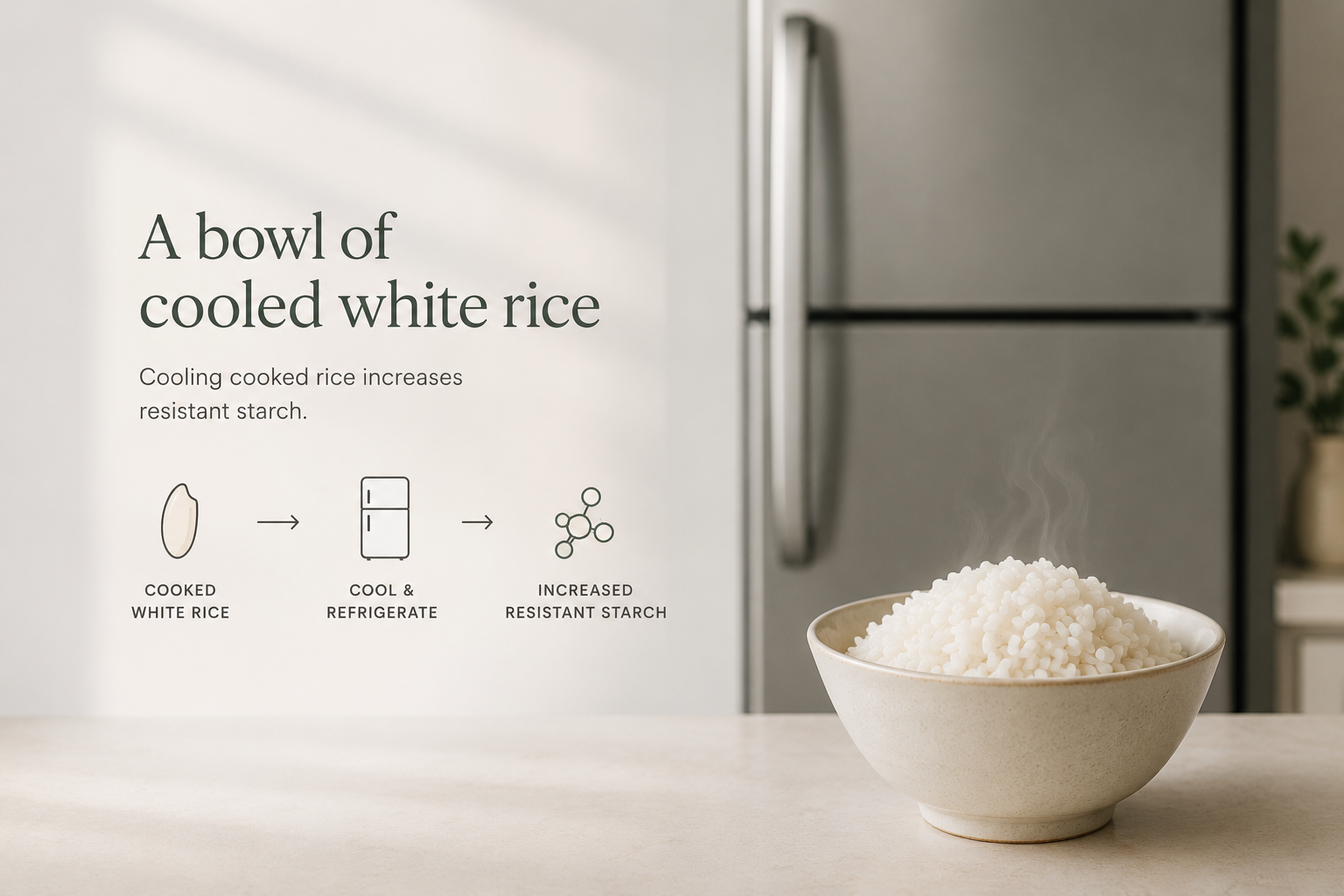
Yes, chilling cooked rice can reduce its digestible calorie content! The cooling process transforms ordinary starches into Resistant Starch (RS), which behaves similarly to dietary fiber. Your body absorbs 10-15% fewer calories, preventing sharp blood sugar spikes while keeping you full longer. Best of all, reheating it won’t destroy these metabolic benefits!
If you have been browsing fitness forums lately, you might have stumbled upon a fascinating weight-loss hack: “Never eat your rice freshly cooked; always put it in the fridge first.” Sounds like an internet myth or an old wives’ tale, right? However, in the realm of food science, this trick is backed by solid biochemistry. Today, TreatDiet breaks down how a simple trip to the refrigerator can alter food at a molecular level to work in your favor.
The Refrigerator Chemistry: What is Resistant Starch?
Freshly cooked, steaming hot rice is packed with rapidly digestible starch. Your body quickly breaks these molecules down into glucose, sending your blood sugar high and eventually leading to a classic energy crash and early hunger pangs.
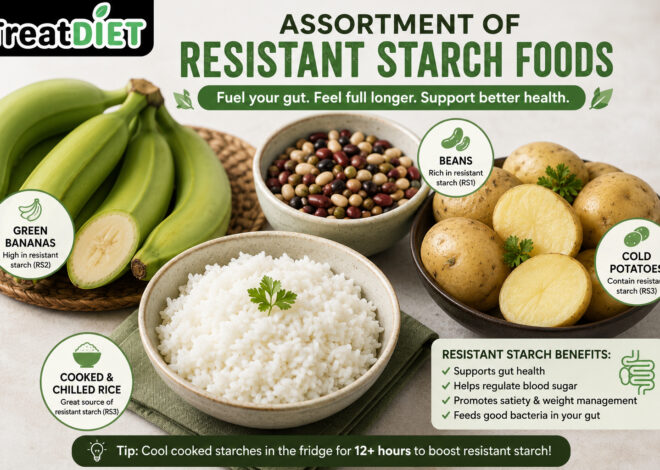
But when you change the game and allow that cooked rice to cool down, a chemical phenomenon called retrogradation occurs. As the amylose molecules cool, they lock together into a tight, crystalline grid. This new structure is called Resistant Starch (RS). It literally “resists” digestion in your small intestine, traveling all the way to your large intestine where it feeds your good gut bacteria (acting as a prebiotic) rather than packing on calories.
3 Steps to Turn Regular Rice Into a “Low-Calorie” Superfood
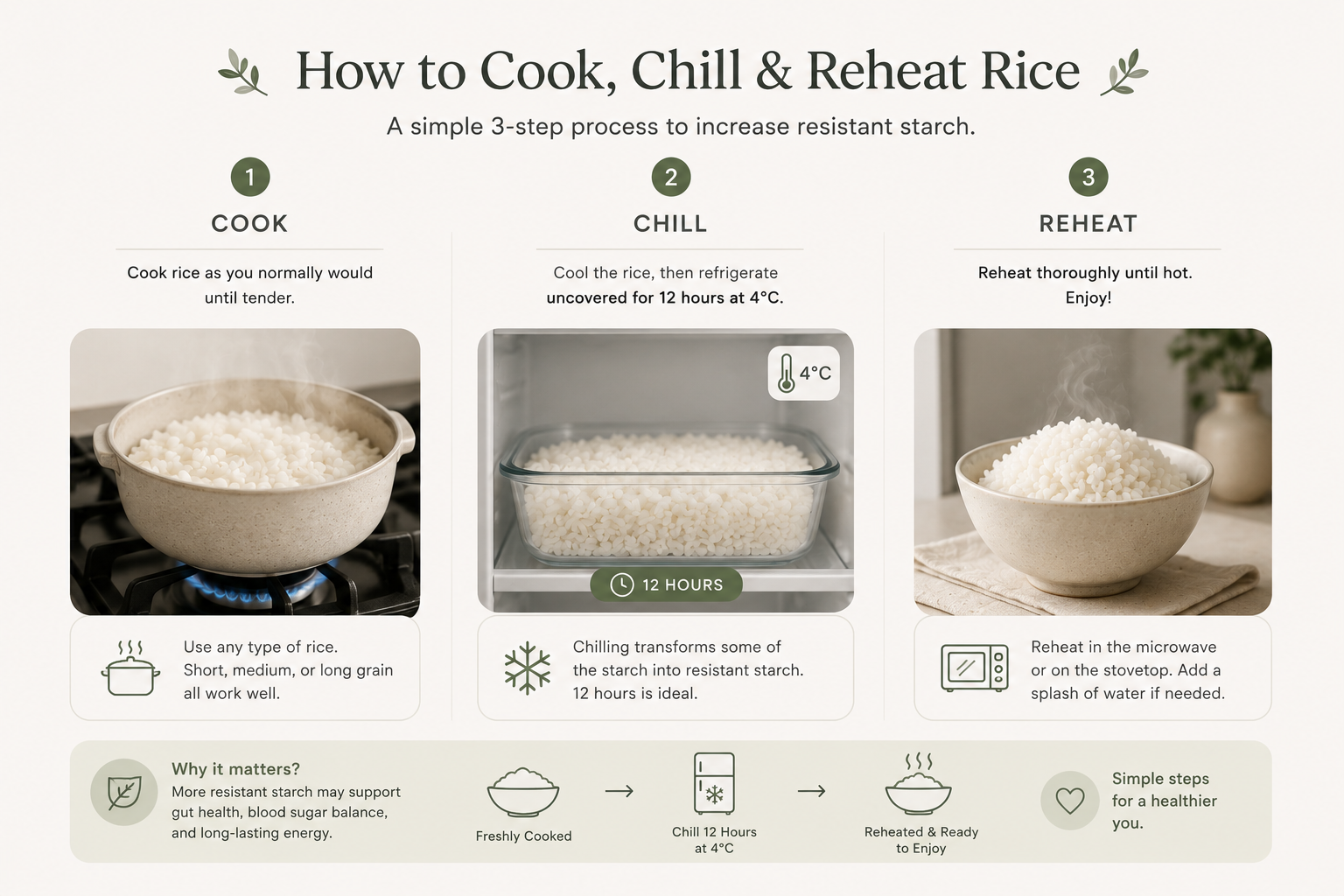
To maximize the conversion of resistant starch in your kitchen, follow this scientifically proven three-step routine:
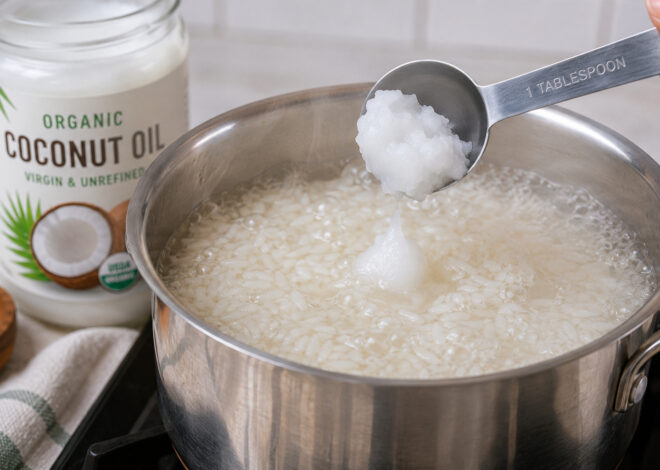
- Cook as Usual: Prepare your white or brown rice in a standard rice cooker until it is fully cooked and fluffy.
- Seal and Chill: Let the rice cool slightly, transfer it to an airtight container, and place it in the regular refrigerator compartment (around 4°C or 40°F) for at least 12 hours. (Do not put it in the freezer).
- Reheat and Serve: Once the 12 hours are up, simply reheat the rice in the microwave or steam it until it is warm enough to enjoy. The texture returns to soft, but the resistant starch remains intact!
Do’s & Don’ts: Maximizing the Benefits Safely
Nutrition lab data reveals that temperature control drastically impacts starch structures. Here is what you should and shouldn’t do to get the best metabolic results:
| 🟢 What to Do (Do) | 🔴 What to Avoid (Don’t) |
|---|---|
|
|
Recommended Food Science Reading
If you want to dive deeper into the biology behind this hack, explore our guides:
Frequently Asked Questions (FAQs)
❓ Which type of rice yields the most resistant starch?
Answer: Varieties that are high in amylose, such as standard long-grain white rice, basmati, and brown rice, tend to form significantly more resistant starch after cooling compared to sticky, waxy varieties like jasmine or glutinous rice.
❓ Is cold or reheated rice safe for diabetics?
Answer: Yes, it is an excellent dietary strategy. Clinical research indicates that resistant starch lowers the overall Glycemic Index (GI) of the meal, resulting in a much flatter and stabler post-meal blood sugar response compared to freshly cooked rice.
⚠️ Food Safety Note: While chilling rice is great for your metabolism, improper cooling can lead to harmful bacteria growth. Learn how to store your leftovers safely in our guide: How to Avoid Fried Rice Syndrome Safely.
Medical Disclaimer:
All content on TreatDiet.com is published purely for informational, educational, and food science research purposes. It should not be used as a substitute for professional medical advice, diagnosis, or treatment. Always consult with a physician or a registered dietitian before making drastic changes to your diet, especially if you live with diabetes or other metabolic conditions.